Holding Communities Together: Why Road Safety Infrastructure Matters
by Linda Parsons, WALGA Road Safety Advisor
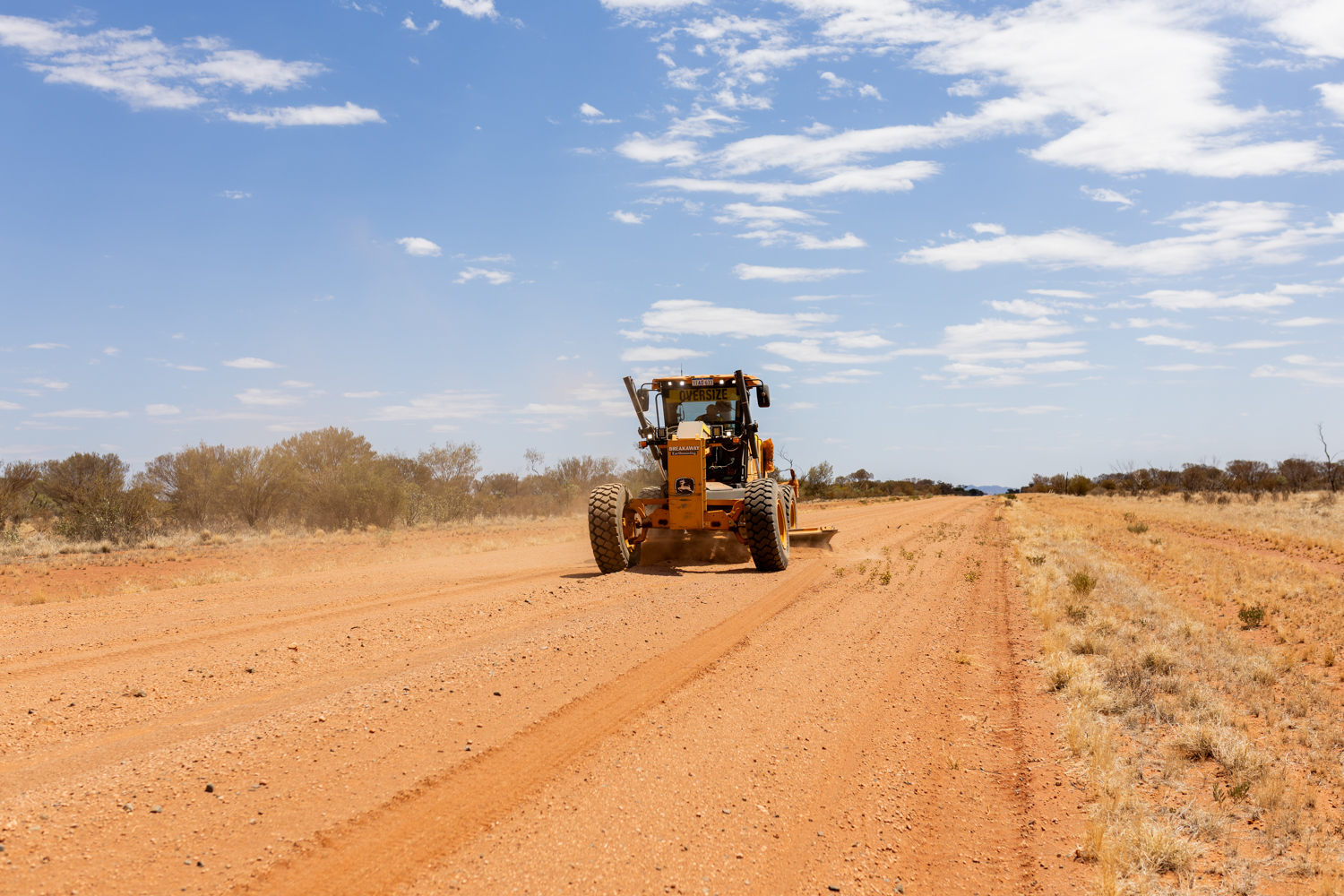
A recent visit to the Shire of Ngaanyatjarraku provided valuable insight into the significant challenges involved in maintaining and improving road infrastructure across one of Western Australia’s most remote Local Governments. Covering more than 160,000 square kilometres, the Shire connects eight remote Aboriginal communities through an almost entirely unsealed road network, with vast distances between communities and some of the highest logistical and operational costs in the state. Experiencing these conditions firsthand highlighted the scale of the task faced by an under-resourced Shire in keeping roads safe and accessible.
The road network is critical to everyday life, enabling the delivery of food and supplies, access to healthcare, community activities, and economic participation. When roads become inaccessible, essential services and supply chains are quickly disrupted. Road safety is also a significant concern, with factors such as surface condition, construction quality, signage, visibility, and roadside recovery areas directly influencing crash risk. Between 2020 and 2024, the Shire recorded two fatalities and more than a dozen serious injuries, underscoring the importance of continued investment in road quality and safety infrastructure to support safer travel and stronger community outcomes across the Ngaanyatjarra Lands.